When considering starting orthodontic treatment with clear aligners, one of the first questions that comes to mind is this: how long does an Invisalign treatment take on average? It’s a completely natural question, as it relates to your daily routine and expectations about the final result.
At Super White Dental Clinic in Vauxhall London, this is one of the most frequently asked questions during the first consultation. Understanding the duration of treatment is not just about knowing the number of months involved, but also about understanding how the process works, what it depends on, and which factors can influence it.
In this article, we will explore in a clear and detailed way everything related to the duration of clear aligner treatment, answering the most common patient questions and helping you approach it with greater awareness.
What are clear aligners and what are they used for
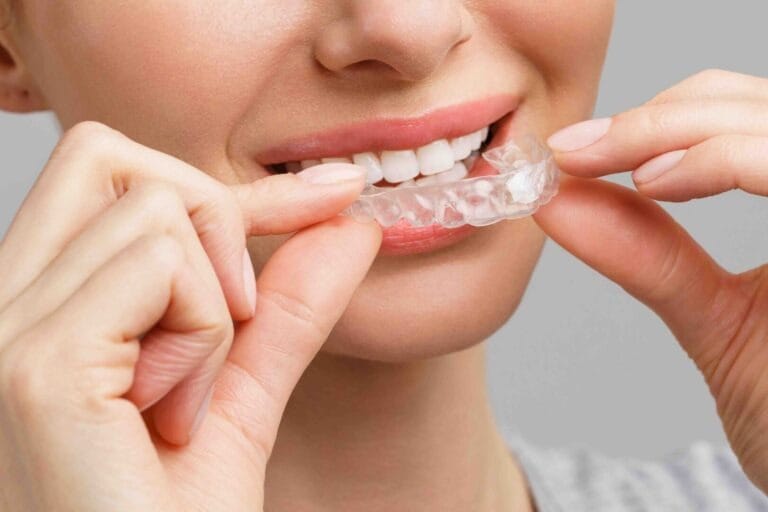
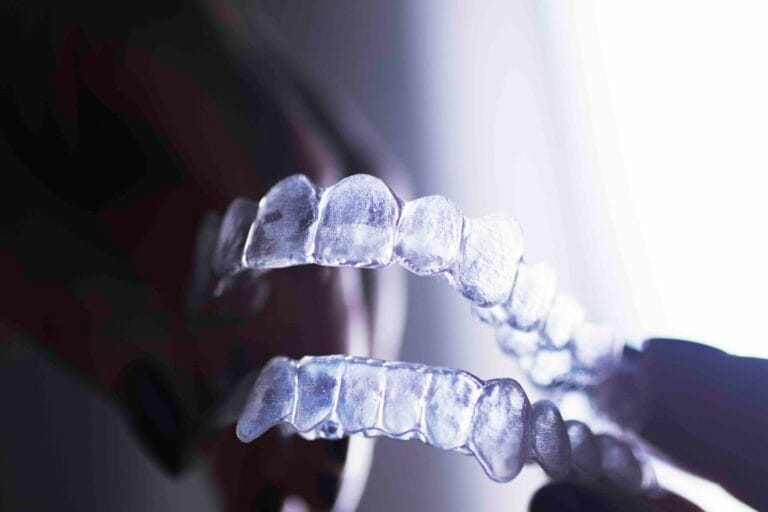
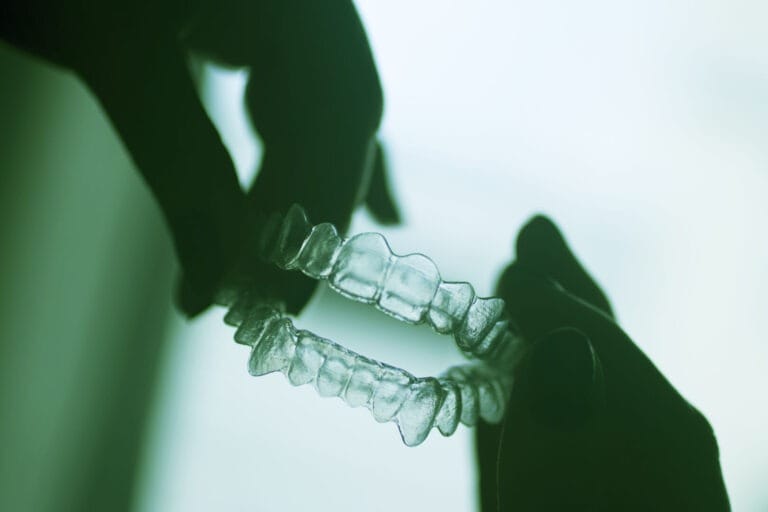
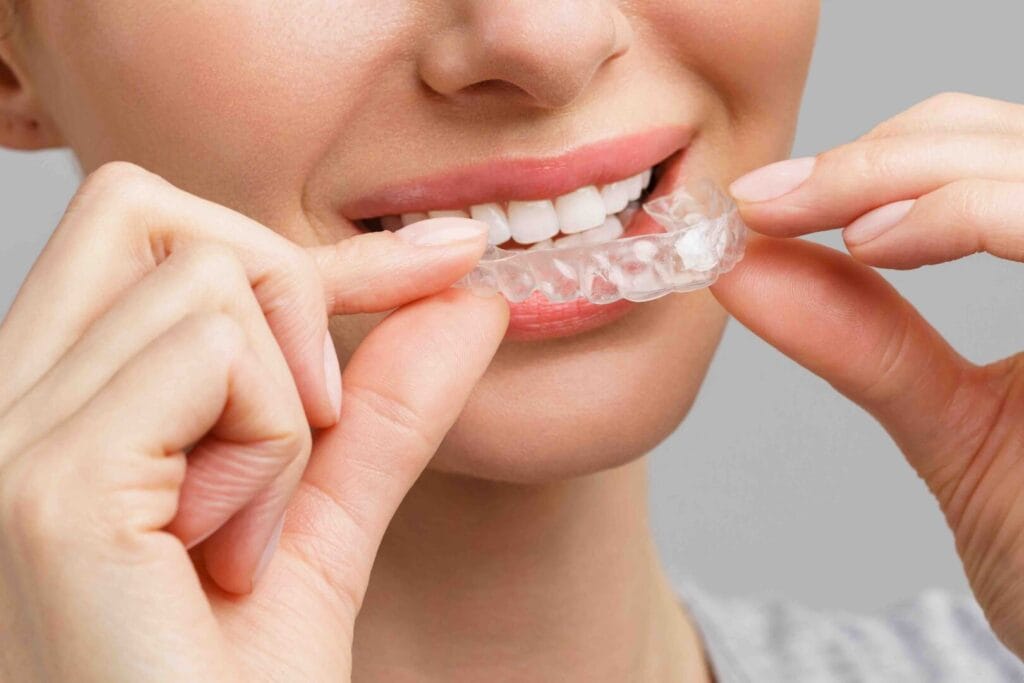
Clear aligners are a modern solution for correcting dental alignment. They are custom-made, removable devices designed to gradually move teeth into the desired position.
Unlike traditional braces, this type of treatment is based on a series of aligners that apply controlled, progressive movements, without wires or metal brackets. This approach allows for both aesthetic and functional improvements while maintaining a high level of comfort throughout the day.
The main purposes of clear aligners include:
- Aligning crooked or crowded teeth
- Closing gaps between teeth
- Improving bite function
- Supporting better oral hygiene
It’s important to emphasise that this is not just an aesthetic choice. Proper dental alignment also helps prevent gum issues, tooth wear and chewing difficulties.
Many people consider self-treatment solutions or online devices, but this is strongly discouraged. Without professional supervision, there is a risk of achieving unpredictable results or even worsening the condition
How does treatment with clear aligners work
To understand treatment duration, it’s essential to know how the process works. Clear aligner treatment follows a structured pathway based on digital planning.
It begins with a thorough assessment, which typically includes:
- Comprehensive clinical examination
- Digital intraoral scanning
- Radiographs if needed
- Personalised treatment planning
Using this information, a digital plan is created that shows the projected tooth movements and expected final result.
The patient then receives a series of aligners to wear for approximately 20–22 hours per day. Each aligner is worn for a specific period, usually one to two weeks, before progressing to the next.
The treatment works through:
- Planned and gradual tooth movements
- Regular check-ups to monitor progress
- Adjustments to the plan if required
This type of treatment requires patient cooperation. Wearing the aligners consistently is essential to achieve the expected results within the planned timeframe.
How long does an Invisalign treatment take on average
The duration of clear aligner treatment can vary depending on several factors, but generally speaking, how long does an Invisalign treatment take on average depends on the complexity of the case.
In simpler cases, treatment may take just a few months. In more complex situations, it can extend up to one or even two years.
The main factors influencing duration include:
- The initial level of misalignment
- The type of tooth movement required
- The patient’s age
- Consistency in wearing the aligners
- The body’s biological response
One often overlooked factor is patient compliance. Wearing the aligners for fewer hours than recommended can slow down progress and extend treatment time.
At the clinic, thanks to advanced digital technologies, it is possible to estimate a timeline from the very beginning. However, it’s important to remember that treatment is dynamic and may require adjustments along the way.
Why treatment duration can vary from patient to patient
There is no one-size-fits-all timeline because every mouth is different. Even patients with similar conditions may require different treatment durations.
This is due to biological and behavioural variables. For example, the speed at which teeth move can differ significantly between individuals.
Key reasons for variation include:
- Differences in bone structure
- Previous dental treatments or restorations
- Daily habits (such as smoking or oral hygiene routines)
- Accuracy in wearing the aligners
Some cases also involve more complex movements, such as rotations or vertical shifts, which naturally take longer than simple alignment.
Another important aspect is ongoing monitoring. During treatment, the dentist may refine the plan to improve results, which can slightly affect the overall timeline.
Can the duration of treatment with aligners be reduced?
Many patients wonder whether treatment time can be shortened. The answer is yes, but only within certain limits and always under professional supervision.
The most effective way to avoid delays is to follow all professional instructions carefully. In particular:
- Wear the aligners for the recommended number of hours each day
- Change them according to the prescribed schedule
- Attend all follow-up appointments
- Maintain good oral hygiene
There are also supportive techniques that may be considered, but these must always be evaluated on a case-by-case basis.
Avoiding self-treatment is essential. Relying on a professional ensures a safe, controlled process and prevents complications that could prolong treatment.
How to clean aligners to maintain treatment effectiveness
Cleaning your aligners properly is a key aspect that is often underestimated, yet it can also impact treatment efficiency.
Poorly maintained aligners can accumulate bacteria, compromise oral hygiene and reduce the effectiveness of the appliance.
For proper care, it is recommended to:
- Clean aligners daily with lukewarm water
- Use products recommended by your dentist
- Avoid hot water, which can deform them
- Gently brush them without abrasive toothpaste
Self-treatment approaches, such as using bicarbonate or harsh substances, should be avoided, as they may damage the material and affect its transparency
Maintaining good hygiene helps ensure a smooth, effective treatment without interruptions that could affect its duration.
Is a clear aligner better than traditional braces?
Choosing between clear aligners and traditional braces depends on several factors, including case complexity and patient needs.
Clear aligners offer several advantages:
- Greater comfort throughout the day
- Removability for eating and oral hygiene
- Reduced aesthetic impact
- Digitally planned treatment
However, they are not always suitable for every case. In certain situations, fixed braces may be more appropriate.
This is why a professional assessment is essential. Only a thorough evaluation can determine the most suitable treatment and provide an accurate estimate of its duration.
How long does an Invisalign treatment take on average: conclusion
Understanding how long does an Invisalign treatment take on average means looking at the bigger picture of orthodontic care. It is not just about months, but about a structured process that requires planning, consistency and professional supervision.
We have seen how duration can vary depending on several factors, and how it can be positively influenced by following the correct guidance and maintaining good habits.
At Super White Dental Clinic in Vauxhall London, each treatment is tailored to the individual, using advanced technologies to ensure a precise and carefully monitored process.
Discussing these aspects with a dental professional allows you to approach treatment with greater confidence, avoiding mistakes and unrealistic expectations.
📞 +44 2036457885
💬 07947903827
✉️ info@superwhitedentalclinic.co.uk
📍 41 S Lambeth Rd, London SW8 1RH, United Kingdom