When starting an orthodontic journey, understanding technical terms helps patients feel more confident and informed. At Super White Dental Clinic in Vauxhall London, one of the main goals is to make every treatment clear and accessible, both clinically and informationally.
In the field of transparent orthodontics, there is a real technical glossary that accompanies patients throughout the process. Terms such as Clear Aligners, Orthodontic Treatment Plan, Digital Smile Design, and Intraoral Scanner are part of a specialised language used to describe tools and treatment phases. Understanding concepts like Attachments, Aligner Trays, and Retention Phase allows patients to gain a more complete and informed view of their treatment.
This guide aims to explain in a simple and clear way how clear aligners work, integrating key technical terms and providing a comprehensive overview of the treatment.
What are clear aligners and how do they work?
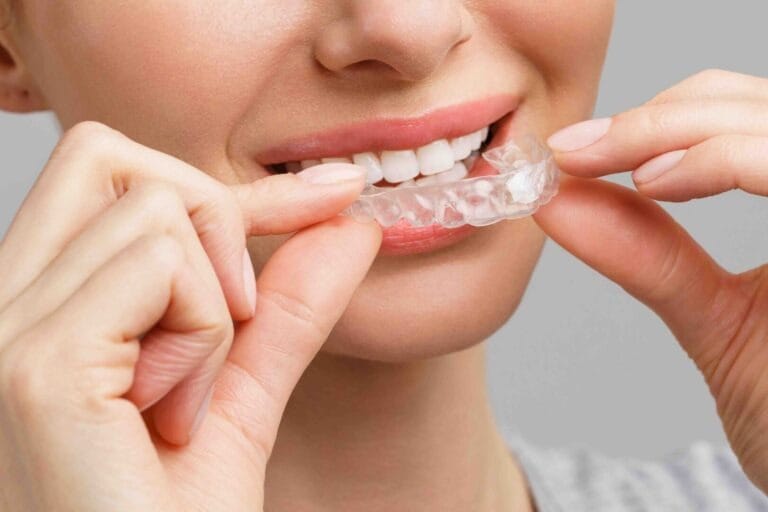
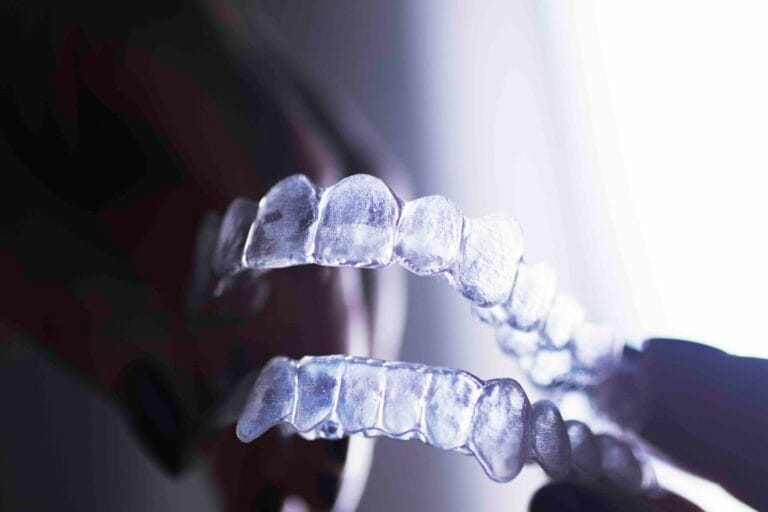
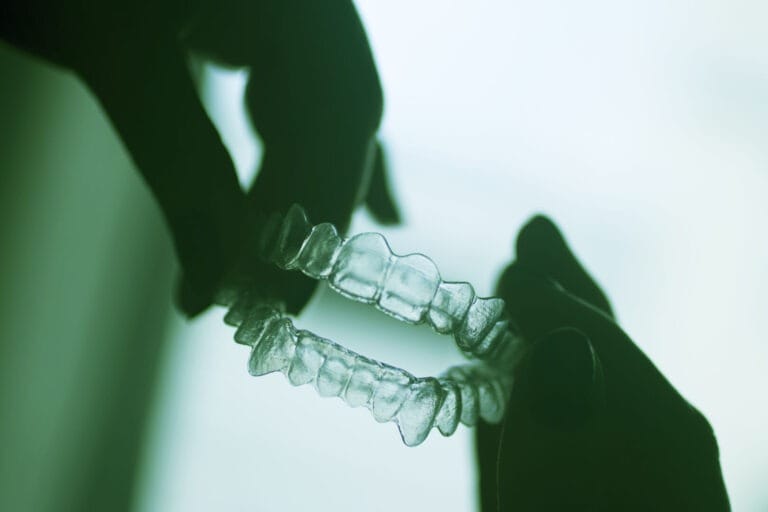
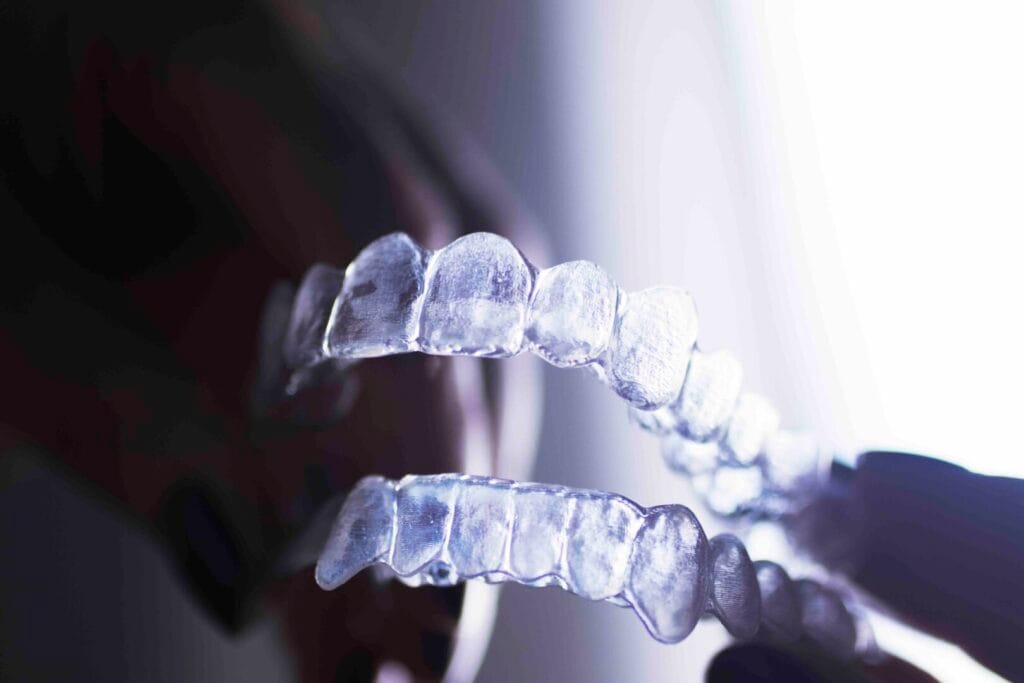
Clear aligners are an orthodontic system that uses a series of removable trays, known as Clear Aligners, designed to gradually move teeth into the correct position.
Unlike traditional braces, these aligners are custom-made for each patient and are replaced periodically to follow the progression of the treatment. Each set of Aligner Trays applies gentle pressure to the teeth, guiding them step by step towards proper alignment.
This approach is appreciated for several reasons:
- improved aesthetics
- greater comfort
- removability
- easier oral hygiene management
The goal is not only to improve the appearance of the smile but also its overall function.
How do clear aligners work step by step?
The effectiveness of clear aligners is based on precise digital planning. The process begins with a scan performed using an Intraoral Scanner, which creates a detailed digital model of the patient’s mouth.
An Orthodontic Treatment Plan is then developed, outlining each stage of tooth movement. Thanks to advanced digital tools, patients can often preview the expected final result.
The main steps include:
- digital impressions
- treatment planning
- aligner production
- progressive use of aligners
Each phase is carefully designed to ensure accuracy and predictability.
Can you eat and drink with clear aligners?
One of the key advantages of clear aligners is their removability. Clear Aligners can be taken out during meals, allowing patients to eat without major restrictions.
However, it is important to follow some basic guidelines:
- always remove aligners before eating
- avoid sugary or coloured drinks while wearing them
- brush teeth before reinserting the aligners
Proper daily management helps maintain good oral hygiene and prevents staining or bacterial buildup.
Why are clear aligners considered discreet?
One of the main reasons patients choose this solution is its aesthetic advantage. Clear Aligners are designed to be nearly invisible and fit closely over the teeth.
Unlike traditional braces, they do not involve visible metal wires or brackets. Even components such as Attachments, small tooth-coloured elements used to improve movement, are designed to be minimally noticeable.
This makes clear aligners particularly suitable for:
- adults
- professionals
- patients concerned about appearance
Their discreet nature allows patients to feel more confident in everyday situations.
Are clear aligners painful?
A common concern is discomfort. Clear aligners are generally not painful, but patients may feel slight pressure, especially when starting a new set of aligners.
This sensation is a sign that the teeth are moving as planned. Compared to traditional braces, clear aligners are often more comfortable due to the absence of metal components.
Most patients adapt quickly, making the experience manageable over time.
How long does clear aligner treatment take?
The duration of treatment depends on the complexity of each case. Some patients achieve results in a few months, while others may require a longer period.
Factors influencing treatment time include:
- degree of misalignment
- patient compliance
- correct use of aligners
Wearing aligners as instructed is essential for achieving effective results. The final stage, known as the Retention Phase, is equally important to maintain the outcome.
What happens after treatment?
At the end of the orthodontic journey, it is essential to maintain the achieved results. This is done through retainers that help stabilise the teeth in their new position.
The Retention Phase plays a crucial role in preventing relapse and preserving the alignment. Dentists provide specific instructions on how to manage this stage.
Proper maintenance ensures long-term stability and a lasting result.
How clear aligners work: conclusion
Understanding how clear aligners work means becoming familiar not only with the treatment itself but also with the technical terms that define it, such as Clear Aligners, Aligner Trays, Attachments, Orthodontic Treatment Plan, and Retention Phase.
Thanks to advanced technologies like the Intraoral Scanner and digital planning methods, orthodontic treatment today is more precise, discreet, and comfortable than ever before. At Super White Dental Clinic, every treatment is tailored to the patient, with the aim of delivering harmonious and long-lasting results.
📞 +44 2036457885
💬 07947903827
✉️ info@superwhitedentalclinic.co.uk
📍 41 S Lambeth Rd, London SW8 1RH, United Kingdom