Undergoing dental implant treatment is an important step for oral health and quality of life. Among the most common patient concerns, one of the most frequent is swelling after a dental implant, a reaction that can cause worry if you do not know what to expect.
At Super White Dental Clinic in Vauxhall London, this is a topic that is always explained carefully from the very first consultation. Swelling is in fact a natural response of the body to a surgical procedure, but understanding how long it may last and how it should be managed helps patients go through the process with greater peace of mind.
In this article, we will look in detail at why swelling happens, how long it may last, what is considered normal and when it may be appropriate to investigate further, while avoiding common mistakes and self-treatment approaches that could slow healing.

What happens after a dental implant and why swelling appears
After a dental implant has been placed, the body activates a series of natural defence and repair mechanisms. Swelling is one of these responses and is linked to the inflammatory process that is necessary for healing.
During the procedure, even when it is carried out using advanced and minimally invasive techniques, the tissues are still involved. This leads to a local reaction which may show as:
- Swelling in the treated area
- A feeling of tightness or pressure
- Mild inflammation of the soft tissues
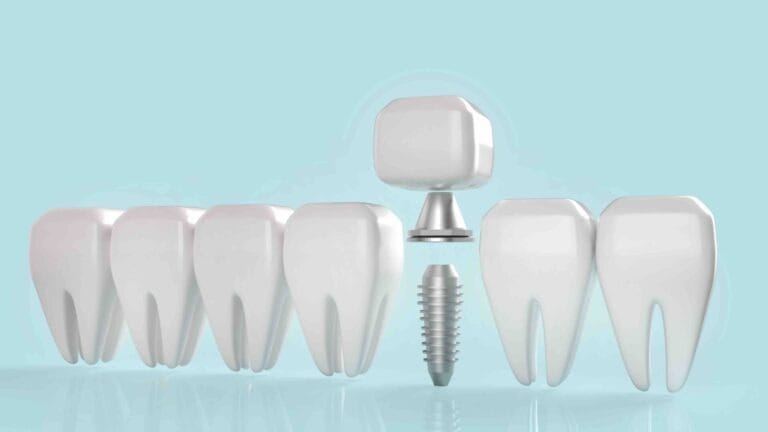
It is important to know that this does not necessarily indicate that something is wrong, but is often part of the normal recovery process. The body is working to integrate the implant with the bone, which is a fundamental stage known as osseointegration.
Many patients become concerned because they assume swelling means there is a problem, but in most cases it is entirely physiological. However, it is essential to distinguish between a normal reaction and signs that may require a professional review.
For this reason, it is always advisable to follow the dentist’s instructions carefully and avoid any unsupervised attempts to manage the situation on your own.
How long swelling lasts after a dental implant
One of the most common questions is: how long does swelling last after a dental implant?
In normal circumstances, swelling tends to appear within the first few hours after the procedure and usually reaches its peak within the following 24 to 48 hours. After that, it should gradually begin to reduce.
Generally, the timeline is:
- First 24 hours: swelling starts to appear
- 48–72 hours: swelling is usually at its most noticeable
- 3–5 days: progressive reduction
- Within one week: return to normal
Naturally, these timings can vary depending on several factors, such as:
- Complexity of the procedure
- Number of implants placed
- The body’s individual response
It is important to stress that every patient has different recovery times. Some may notice a rapid improvement, while others may need a few extra days.
If swelling lasts longer than expected or seems to increase instead of decrease, it is always advisable to contact the clinic for an assessment.
Why swelling can vary from patient to patient
Not all patients experience the same degree of swelling after a dental implant. This depends on many factors that influence how the body responds.
The main ones include:
- Individual tissue characteristics
- Pre-existing inflammation
- Daily habits, such as smoking or diet
- General state of health
For example, more complex procedures, such as those involving bone regeneration or the placement of multiple implants, may lead to a more noticeable inflammatory response.
The patient’s cooperation during the post-operative period also plays a key role. Following the instructions given carefully helps reduce swelling and supports a smoother recovery.
On the other hand, unsuitable or improvised behaviour can make the situation worse and prolong healing.
How to reduce facial swelling after a dental implant correctly
One of the most frequent questions is how to reduce facial swelling after a dental implant.
It is essential to make it clear that there are no miracle solutions or safe and effective DIY methods. Swelling needs to follow its natural course, but it can be managed with the right precautions.
Among the most helpful recommendations are:
- Applying ice externally during the first few hours
- Keeping the head slightly elevated
- Avoiding intense physical activity
- Following the treatment plan given by the dentist
By contrast, improvised remedies such as unapproved substances or methods suggested online without medical supervision are discouraged. These behaviours may interfere with healing.
Relying on a professional allows the post-operative phase to be managed safely and reduces the risk of complications.
Can pain and swelling be reduced after a dental implant
Swelling is often associated with a mild feeling of pain or discomfort. The question therefore becomes: can pain and swelling be reduced after a dental implant?
The answer is yes, but always by following precise instructions. Post-operative discomfort is usually manageable and tends to decrease over the following days.
To manage this phase as well as possible, it is important to:
- Follow the prescribed treatment
- Avoid touching or stressing the area
- Respect the recommended rest period
It is essential to avoid any form of self-management that has not been advised. The improper use of home remedies or medicines may compromise healing.
A correct approach allows the post-operative period to be handled in a calmer and more controlled way.
When swelling after a dental implant is not normal
Although swelling is a normal physiological response, there are situations in which it is important to pay closer attention.
It is advisable to contact the clinic if you experience:
- Swelling that increases after several days
- Intense and persistent pain
- Fever
- Difficulty opening the mouth
These signs may indicate the need for a more thorough assessment.
Recognising any abnormal development early makes it possible to intervene quickly and effectively, helping to avoid complications.
For this reason, it is always important to maintain open communication with your dentist throughout the entire process.
How to support faster healing after a dental implant
Alongside managing swelling, it is also useful to know how to support the best possible healing.
Some good habits can make a real difference:
- Maintaining proper oral hygiene
- Following an appropriate diet
- Avoiding behaviours that may place stress on the tissues
The healing phase is delicate and requires attention. Every small daily action contributes to the success of the treatment.
It is important to remember that the implant must integrate with the bone, and this process takes time and favourable conditions.
Swelling after a dental implant: how long it lasts and how to reduce it
Understanding swelling after a dental implant means approaching treatment with greater awareness and reassurance.
We have seen that it is a natural response of the body, with timing and intensity that may vary from one patient to another. Knowing what to expect and how to behave helps avoid unnecessary worry and supports a more appropriate recovery.
At Super White Dental Clinic, every stage of treatment is followed with care, offering clear and personalised guidance to support safe and controlled healing.
Discussing these aspects with a professional allows patients to experience dental implant treatment in a calmer and more informed way.
📞 +44 2036457885
💬 07947903827
✉️ info@superwhitedentalclinic.co.uk
📍 41 S Lambeth Rd, London SW8 1RH, United Kingdom