When it comes to oral health, one of the most common questions is precisely this: how often should you have a dental cleaning in order to keep your teeth and gums healthy over time?
At Super White Dental Clinic in Vauxhall London, this topic is central during every first consultation. Oral hygiene is not only about the appearance of your smile, but also represents a genuine form of essential prevention to help avoid more complex problems over time.
In this article, we will look clearly and thoroughly at what proper oral hygiene means, how often it is advisable to have a professional cleaning, and which daily habits truly make a difference.
What is meant by oral hygiene and why it is so important
Oral hygiene includes all those daily and professional practices that help keep the mouth healthy. It is not just about brushing your teeth, but a combination of habits that work together to prevent problems.
Proper oral hygiene helps to:
- Remove plaque and bacteria
- Prevent tooth decay and gum inflammation
- Maintain healthy gums
- Avoid tartar build-up
Plaque is an invisible film that constantly forms on the teeth. If it is not removed properly, it can harden into tartar, which cannot be eliminated with a toothbrush alone.
This is where prevention becomes essential: neglecting oral hygiene can lead over time to more serious conditions, such as gingivitis or periodontal disease.
Many patients believe they can manage everything on their own, but it is important to understand that home care alone is not enough to maintain optimal oral health in the long term.
How often should you have a dental cleaning for proper prevention
The answer to the question how often should you have a dental cleaning is not the same for everyone, but there are general guidelines that can help.
In most cases, it is recommended to have a professional cleaning every six months. However, this frequency may vary depending on several factors, including:
- Gum condition
- Presence of persistent plaque or tartar
- Oral hygiene habits
- Smoking or diet
- Presence of orthodontic appliances
Some patients may need more frequent visits, while others can maintain slightly longer intervals.
At the practice, during the first consultation, the individual situation is always assessed in order to create a personalised prevention plan. This approach allows for targeted care and helps maintain oral health over time.
How a professional dental cleaning is carried out
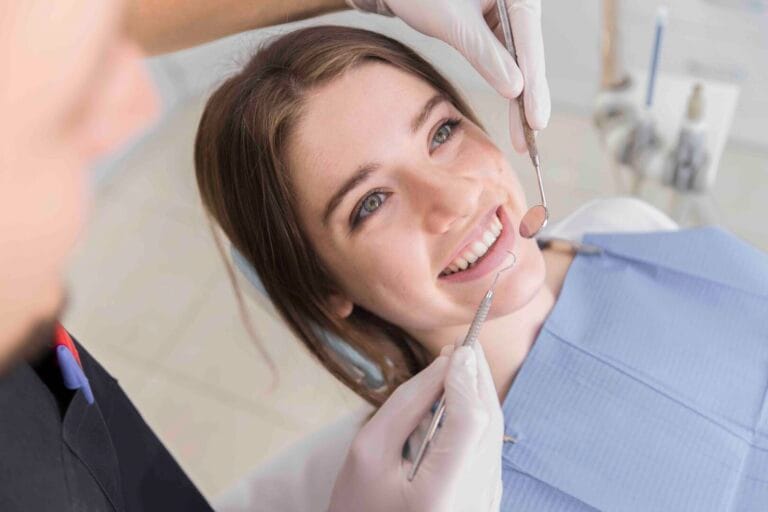
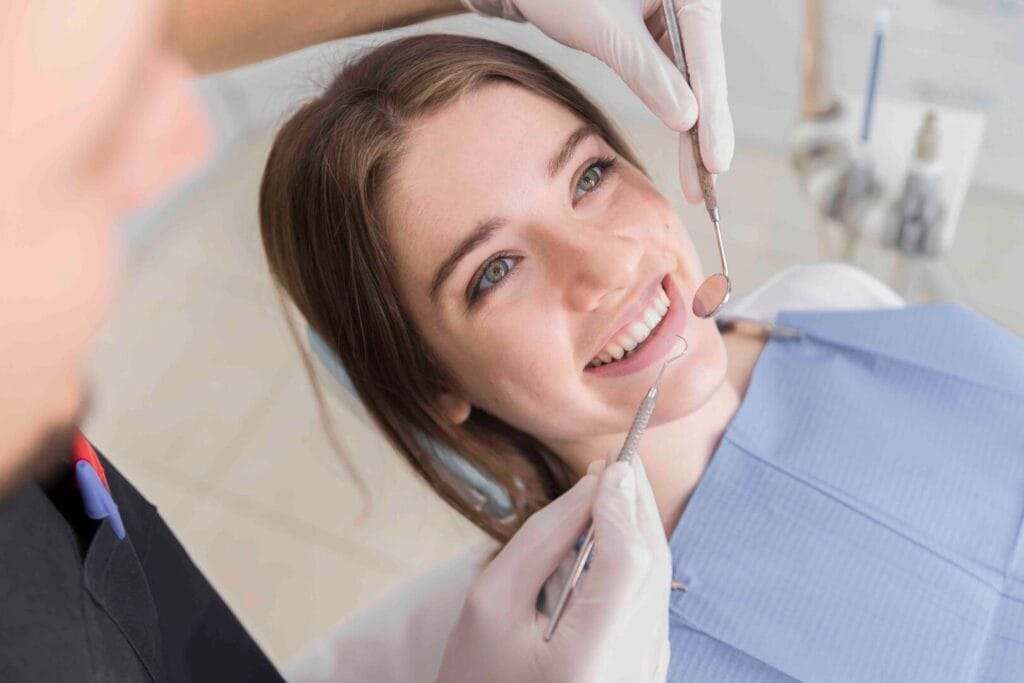
Many patients wonder what happens during a hygiene appointment. A professional cleaning is a safe and controlled procedure, carried out by qualified professionals.
Generally, the treatment includes:
- Removal of tartar above and below the gum line
- Elimination of plaque
- Cleaning of the tooth surfaces
- Final polishing
In some cases, advanced technologies may be used to provide a more gentle and effective cleaning, even in hard-to-reach areas.
It is important to understand that this procedure cannot be compared to what can be done at home. Attempts to remove tartar or stains with improvised methods are discouraged, as they may damage the enamel or gums.
Relying on a professional allows for a thorough cleaning that is also safe for your oral health.
How to brush your teeth properly every day
Professional cleaning is essential, but it must be supported by proper daily hygiene. Knowing how to brush your teeth correctly is the first step in prevention.
The main recommendations are:
- Brush your teeth at least twice a day
- Use a suitable toothbrush
- Clean all tooth surfaces
- Spend at least 2 minutes brushing
Many patients brush too quickly or superficially, without reaching all areas of the mouth. This can lead to plaque build-up in less accessible areas.
Technique also matters: brushing too aggressively can irritate the gums, while brushing too lightly may not be effective.
Good daily hygiene is the foundation of prevention, but it must always be combined with regular dental check-ups.
How to use dental floss and why it is essential
One of the most common questions concerns flossing: is it really necessary? The answer is yes.
Dental floss allows you to clean between the teeth, where the toothbrush cannot reach. These areas are where food particles and bacteria easily accumulate.
Using it correctly means:
- Gently passing it between each tooth
- Following the natural curve of the tooth
- Avoiding forceful movements on the gums
Many patients avoid flossing because they find it difficult or uncomfortable, but with a little practice it becomes a simple and quick habit.
Skipping this step means leaving areas uncleaned, increasing the risk of inflammation and decay.
Mouthwash: when to use it and what it really does
Mouthwash is often seen as essential, but it is important to understand when and how to use it correctly.
It does not replace brushing or flossing, but it can be a useful addition when used properly.
Its use can help to:
- Reduce bacterial load
- Freshen breath
- Support gum health
However, not all mouthwashes are the same and daily use is not always necessary.
Incorrect or excessive use may be ineffective or even counterproductive. For this reason, it is always advisable to follow your dentist’s guidance.
What happens if you do not clean your teeth properly
Neglecting oral hygiene can have consequences over time, even if no immediate symptoms are noticed.
Among the most common issues are:
- Build-up of plaque and tartar
- Gum inflammation
- Bleeding gums
- Bad breath
If left untreated, these signs can develop into more complex conditions requiring more advanced treatment.
Many patients underestimate these aspects, thinking that occasional cleaning is enough. In reality, consistent prevention is the only way to maintain long-term oral health.
How often should you have a dental cleaning: conclusion
Understanding how often should you have a dental cleaning means taking care of your health in a conscious way. There is no single answer for everyone, but there are guidelines that help prevent problems and maintain a healthy smile.
We have seen how prevention is based on correct daily habits and regular check-ups. The combination of home care and professional hygiene is what allows for long-lasting results.
At Super White Dental Clinic, each patient is followed with a personalised approach, with the aim of maintaining long-term oral health through tailored prevention programmes.
📞 +44 2036457885
💬 07947903827
✉️ info@superwhitedentalclinic.co.uk
📍 41 S Lambeth Rd, London SW8 1RH, United Kingdom