
How many months does it take to straighten teeth with aligners?
Orthodontic treatment has changed significantly in recent years. Many patients today ask how long it really takes to straighten teeth with aligners and whether the timeline is predictable. This question is legitimate, because orthodontic treatment is not only about aesthetics, but also about oral health, function, and long-term stability.
At Super White Dental Clinic in London, clear aligner therapy is planned using digital workflows and clinical experience to ensure realistic timelines and safe outcomes. In this article, we explain how many months are usually needed to straighten teeth with aligners, what factors influence treatment duration, how aligners work, and why professional supervision is essential at every stage.
What does it mean to straighten teeth with aligners?
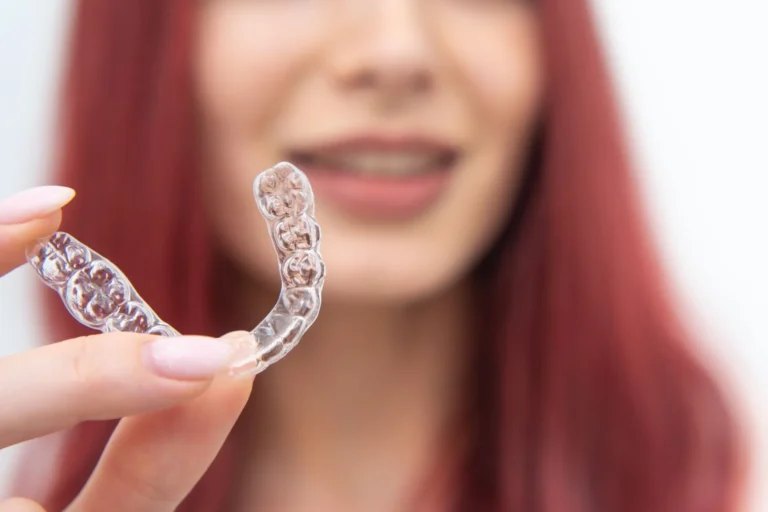
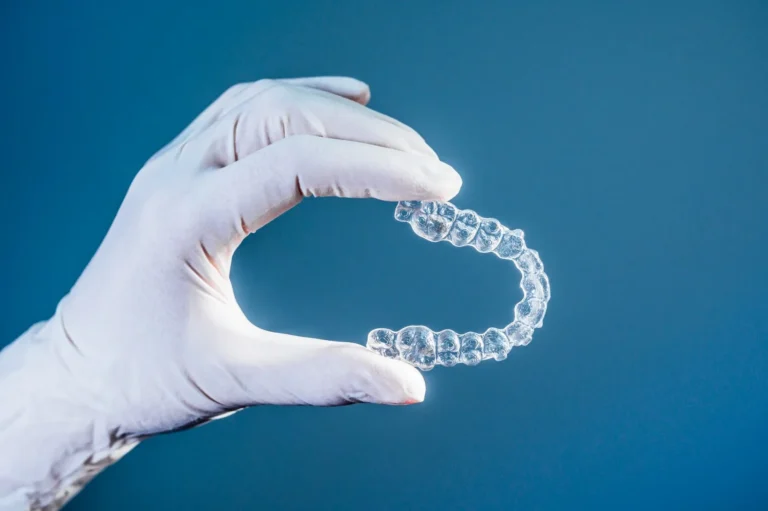
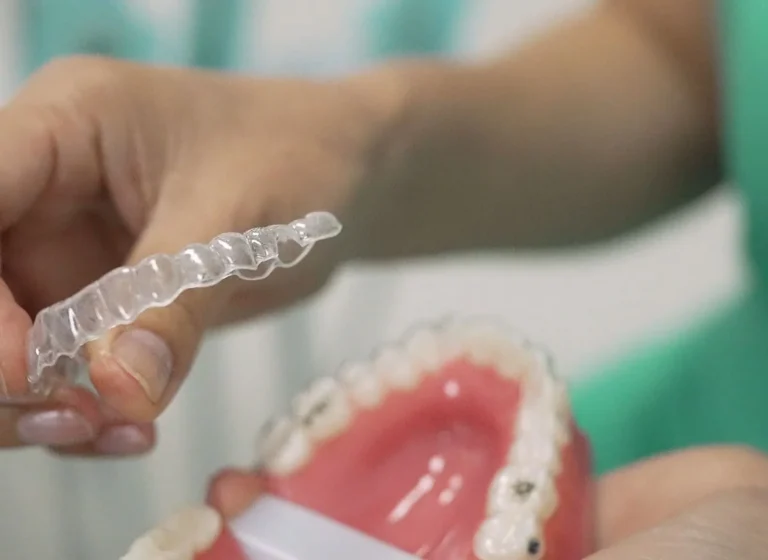
To straighten teeth with aligners means correcting dental misalignment using a series of transparent, removable orthodontic devices. Each aligner is designed to move teeth gradually, following a precise plan created by the orthodontist.
Aligners work by applying controlled forces to the teeth. These forces are calculated digitally and adjusted at every step. The goal is not speed alone, but safe and biologically compatible tooth movement.
Patients often choose to straighten teeth with aligners because they offer:
- A discreet appearance
- Improved comfort compared to traditional braces
- The ability to remove aligners for eating and oral hygiene
However, aligners are still a medical treatment. Tooth movement depends on bone response, periodontal health, and patient compliance. For this reason, aligner therapy must always be supervised by an experienced orthodontic professional.
How many months does it usually take to straighten teeth with aligners?
The average time required to straighten teeth with aligners ranges between 6 and 18 months. This range exists because every mouth is different, and orthodontic needs vary significantly from one patient to another.
In general:
- Mild crowding or spacing: 4–6 months
- Moderate alignment issues: 8–12 months
- Complex cases involving bite correction: 12–18 months or longer
When patients ask for an exact number of months, it is important to clarify that aligners do not work on a fixed schedule. Teeth respond individually, and the treatment plan is adjusted as the teeth move.
At Super White Dental Clinic, treatment duration is estimated only after:
- A clinical examination
- Digital scans of the teeth
- Radiographic analysis when necessary
This ensures that the expected time to straighten teeth with aligners is realistic and safe, not based on generic promises.
How do aligners move teeth month by month?
Aligners move teeth through a process called controlled orthodontic force. Each aligner is worn for approximately 1–2 weeks, depending on the treatment plan, before switching to the next one.
Month by month, this process involves:
- Small, incremental tooth movements
- Bone remodelling around the tooth roots
- Continuous monitoring to ensure healthy response
Teeth cannot be moved faster than the surrounding bone can adapt. Attempting to accelerate treatment without medical supervision can lead to:
- Root resorption
- Gum recession
- Tooth instability
This is why professional planning is essential when the goal is to straighten teeth with aligners safely. Digital simulations may show the final result, but biological response determines the actual timeline.
What factors affect how long it takes to straighten teeth with aligners?
Several clinical and personal factors influence how many months are needed to straighten teeth with aligners. Understanding these elements helps patients set realistic expectations.
Key factors include:
- Severity of misalignment: Crowding, spacing, rotations, and bite issues all affect duration
- Bone density and age: Adult bone responds differently than adolescent bone
- Gum and periodontal health: Inflammation or bone loss can slow or limit movement
- Patient compliance: Aligners must be worn 20–22 hours per day
- Need for refinements: Additional aligners may be required after the initial series
At Super White Dental Clinic, these variables are assessed during the first consultation to create a personalised and medically appropriate treatment plan.
Can aligners straighten teeth faster than braces?
In some cases, aligners can achieve results in a similar or even shorter timeframe compared to traditional braces. However, speed is never the primary objective in orthodontics.
Aligners may be efficient because:
- Movements are digitally planned from the start
- Forces are applied more precisely
- Appointments can be streamlined using digital monitoring
That said, certain complex movements may still require longer timelines, regardless of the orthodontic system used. The idea that aligners are always faster is misleading. The priority should always be stability, function, and long-term oral health.
Choosing to straighten teeth with aligners should be based on suitability, not on unrealistic expectations of speed.
What happens if aligners are not worn consistently?
One of the most important factors in how many months it takes to straighten teeth with aligners is patient compliance. Aligners only work when worn as prescribed.
If aligners are worn inconsistently:
- Tooth movement slows down or stops
- Aligners may no longer fit correctly
- Treatment duration increases
- Additional aligners may be needed
This is why aligner therapy requires commitment. During treatment at Super White Dental Clinic, patients receive clear instructions and regular follow-ups to ensure progress remains on track.
Aligners are effective, but only when used responsibly under professional supervision.
Why professional planning is essential to straighten teeth with aligners
Aligner treatment is often perceived as simple because the devices are removable and discreet. In reality, orthodontic planning is highly technical.
Professional planning includes:
- Digital intraoral scanning for precision
- Bite analysis to prevent functional problems
- Monitoring tooth roots and bone health
- Adjusting the plan when biological response varies
Without proper supervision, aligners can move teeth into unstable or unhealthy positions. At Super White Dental Clinic, aligner therapy is managed by experienced orthodontic professionals using integrated digital workflows and clinical expertise.
Straightening teeth is a medical procedure, not a cosmetic shortcut.
What happens after you finish straightening teeth with aligners?
Completing aligner treatment does not mean orthodontic care ends. Teeth naturally tend to move back toward their original positions without proper retention.
After finishing treatment:
- Retainers are prescribed to maintain results
- Follow-up visits ensure long-term stability
- Oral hygiene and bite function are reassessed
Retention is essential to protect the time invested in orthodontic treatment. At Super White Dental Clinic, retention protocols are explained clearly so patients understand how to preserve their results safely.
Conclusion: straighten teeth with aligners safely and predictably
Straightening teeth with aligners usually takes between 6 and 18 months, depending on clinical complexity, biological response, and patient cooperation. There is no universal timeline, but there is a safe and predictable process when treatment is professionally planned and monitored.
At Super White Dental Clinic, clear aligner treatments are designed using advanced digital technology, clinical experience, and a patient-focused approach. Every case is evaluated individually to ensure that tooth movement is effective, safe, and stable over time.
If you would like to understand how many months it may take to straighten teeth with aligners in your specific case, you can book an initial consultation at Super White Dental Clinic, 41 S Lambeth Rd, London SW8 1RH.
📍 Super White Dental Clinic – 41 S Lambeth Rd, Vauxhall London SW8 1RH
📞 Phone: 020 3645 7885 – WhatsApp: 07947903827
📧 info@superwhitedentalclinic.co.uk
👉 Book your consultation today and start your implant journey