Dental implants in the elderly: how long can they last?
As life expectancy increases, more patients are asking whether dental implants are a reliable solution later in life. Tooth loss is not an inevitable consequence of ageing, but when it occurs, restoring function and comfort becomes essential for overall health and quality of life. A common concern among older adults is how long dental implants can realistically last and whether age limits their effectiveness.
At Super White Dental Clinic in London, dental implants in the elderly are planned with a medical, not chronological, perspective. This article explains how long dental implants can last in older patients, which factors influence their longevity, and why age alone is not a contraindication when treatment is properly assessed and monitored.
What are dental implants and why are they used in elderly patients?
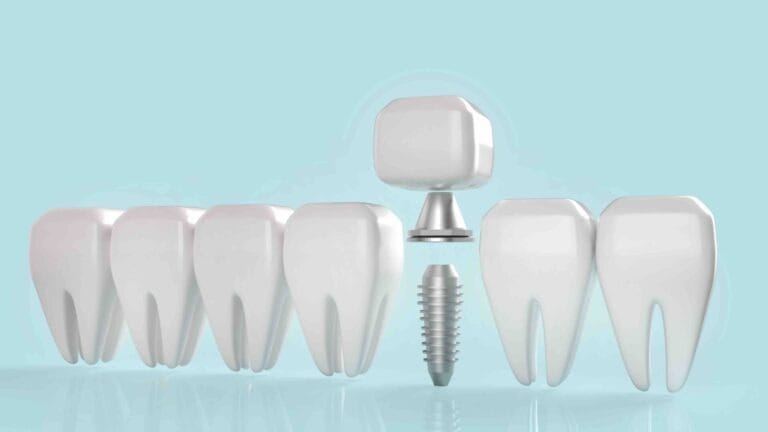
Dental implants are medical devices designed to replace missing tooth roots. They are inserted into the jawbone and serve as a stable foundation for crowns, bridges, or full-arch prostheses. Their purpose is not only aesthetic, but functional and biological.
Dental implants in the elderly are often chosen because they:
- Restore chewing efficiency
- Improve speech and comfort
- Prevent bone loss related to missing teeth
- Eliminate the instability of removable dentures
In older patients, implants can significantly improve nutrition, social confidence, and daily comfort. When planned correctly, they integrate with the bone in the same way as in younger adults.
How long can dental implants in the elderly last?
Dental implants are designed to be a long-term solution. Clinical studies and long-term follow-ups show that implants can last 20 years or more, and often for the rest of the patient’s life, regardless of age.
For elderly patients, implant longevity depends on:
- Successful osseointegration
- Proper prosthetic design
- Ongoing oral hygiene and maintenance
- Control of systemic health conditions
Age itself does not reduce implant lifespan. Many older patients experience excellent long-term outcomes when dental implants in the elderly are placed following strict clinical protocols and supported by regular follow-up care.
Does age affect the success of dental implants?
Chronological age alone does not determine implant success. What matters is the patient’s biological condition, not the number of years lived.
Key considerations include:
- Bone quality and quantity
- Gum health
- Presence of chronic conditions
- Ability to maintain oral hygiene
Healthy bone can integrate implants effectively even in advanced age. At Super White Dental Clinic, a full diagnostic assessment, including digital imaging and clinical evaluation, is used to determine suitability rather than relying on age-based assumptions.
Dental implants in the elderly can be just as successful as in younger adults when treatment is properly planned.
What factors influence the longevity of dental implants in the elderly?
Several variables affect how long dental implants last, particularly in older patients. Understanding these factors helps ensure realistic expectations and long-term stability.
The most important factors are:
- Bone health: Adequate bone volume and density support implant stability
- Gum condition: Healthy soft tissues protect implants from infection
- Systemic health: Conditions such as diabetes must be well controlled
- Smoking habits: Smoking increases the risk of implant complications
- Professional maintenance: Regular check-ups are essential
Dental implants in the elderly require a personalised approach that balances medical history with local oral conditions.
Can elderly patients receive implants even with bone loss?
Bone loss is common after years of missing teeth, but it does not automatically exclude implant treatment. Modern implantology offers techniques that allow treatment even in complex cases.
Possible solutions include:
- Bone regeneration procedures
- Sinus lift techniques for upper jaw implants
- Short or angled implants in selected cases
- Full-arch rehabilitation on fewer implants
At Super White Dental Clinic, in-house CBCT imaging allows precise assessment of bone anatomy, enabling safe planning even for dental implants in the elderly with reduced bone volume.
Are dental implants safe for elderly patients?
When performed following medical protocols, dental implants are safe for elderly patients. The surgical procedures are planned to minimise stress and risk, often using minimally invasive techniques.
Safety measures include:
- Thorough medical history evaluation
- Collaboration with the patient’s physician if needed
- Use of guided and flapless surgery when appropriate
- Conscious sedation for anxious or medically fragile patients
Dental implants in the elderly are not experimental or high-risk treatments when carried out by experienced clinicians using modern technology.
How does maintenance affect implant lifespan in older adults?
Long-term success of dental implants depends heavily on maintenance. Implants are not immune to infection and require the same, if not greater, care than natural teeth.
Maintenance includes:
- Professional oral hygiene sessions
- Monitoring of implant tissues
- Home care instructions tailored to the patient’s abilities
- Early management of inflammation
At Super White Dental Clinic, elderly patients receive personalised hygiene protocols to protect implant health over time. Proper maintenance significantly extends the lifespan of dental implants in the elderly.
Can dental implants improve quality of life in the elderly?
Beyond longevity, dental implants have a profound impact on daily life. Stable teeth improve chewing efficiency, which supports digestion and overall health. Clear speech and comfort also influence social interaction and self-esteem.
Dental implants in the elderly can:
- Reduce dependence on removable dentures
- Improve nutritional choices
- Enhance confidence in social settings
- Provide long-term comfort and stability
These benefits often outweigh the initial concerns related to age or treatment duration.
Conclusion: dental implants in the elderly and long-term expectations
Dental implants in the elderly can last decades and often a lifetime when placed and maintained correctly. Age alone does not limit success. What matters is careful diagnosis, personalised planning, and ongoing professional care.
At Super White Dental Clinic, implant treatments for older patients are designed using advanced digital diagnostics, minimally invasive techniques, and a multidisciplinary approach. Every case is evaluated individually to ensure safety, comfort, and long-term stability.
To understand whether dental implants are a suitable and lasting solution for you or a family member, you can book an initial consultation at Super White Dental Clinic, 41 S Lambeth Rd, London SW8 1RH.
📍 Super White Dental Clinic – 41 S Lambeth Rd, Vauxhall London SW8 1RH
📞 Phone: 020 3645 7885 – WhatsApp: 07947903827
📧 info@superwhitedentalclinic.co.uk
👉 Book your consultation today and start your implant journey